
Introduction
Thinking of giving your skin a fresh start with a chemical peel? Kudos to you! Chemical peels are a game-changer when it comes to achieving smoother, brighter skin, and they’re loved by dermatologists worldwide for their ability to tackle everything from fine lines to acne scars and uneven skin tone. But, like any beauty treatment, a little prep work goes a long way.
Before you dive into the world of acids and exfoliation, here’s your ultimate guide on how to prep your skin for the best chemical peel experience. Follow these tips, and you’ll be on your way to glowing, rejuvenated skin in no time.
What is a Chemical Peel and Why is Preparation Important?
A chemical peel is like giving your skin a fresh canvas, gently erasing the old to reveal something newer and smoother. This popular treatment involves applying a specially formulated chemical solution to your skin, which exfoliates the outer layers. The result? A glowing, youthful complexion that feels as fresh as it looks. In Australia, chemical peels have become a go-to treatment for many, playing a pivotal role in the booming skincare industry, valued at approximately AUD $560 million and climbing each year.
But before you jump into the world of peels, preparation is key. Proper prep ensures you get the most out of your treatment, minimises potential risks (like irritation or uneven peeling), and guarantees a smooth, radiant finish. By consulting with an experienced skincare practitioner, you can choose the right peel for your unique skin concerns. Beyond that, the best results come from taking a few extra steps: staying hydrated, avoiding sun exposure, and ensuring your skin is in tip-top shape before the treatment.
By following these steps, you’ll set yourself up for smoother, healthier skin—and a peeling experience that’s more about glow and less about ouch. Ready to get glowing? Keep reading for all the expert tips on prepping your skin for that perfect chemical peel.
How Can You Assess Your Skin Type and Condition?
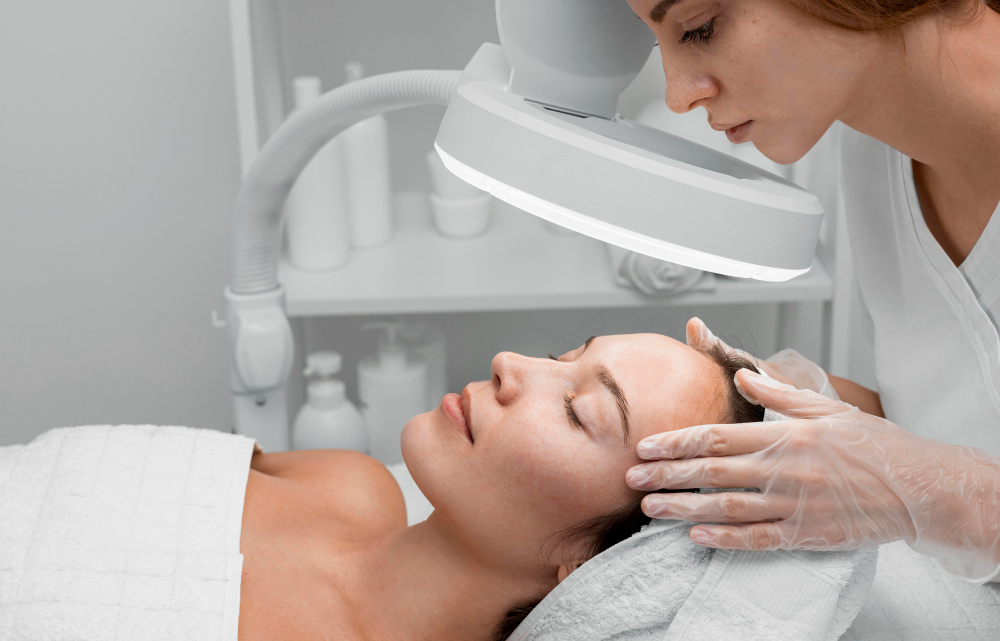
Understanding your skin type is like knowing the recipe for the perfect skincare cocktail—it ensures that your treatment hits the right note. When it comes to chemical peels, the right prep starts with understanding your skin’s unique needs. Consulting a dermatologist, dermal therapist, or skincare professional is essential to accurately assess your skin’s condition and determine the best treatment for you.
Skin types differ—oily, dry, combination, or sensitive—and each requires specific care before a chemical peel. For example, oily skin may need extra hydration before a peel to avoid irritation, while sensitive skin might need to be soothed and calmed with gentle products in the days leading up to the treatment. A professional will help you figure out not only your skin type but also any contraindications that could affect the procedure, ensuring you get the best possible results without surprises.
So, don’t just guess—have a skincare expert assess your skin’s needs so your chemical peel can work its magic. Trust us, your skin will thank you later!
What Skincare Routine Should You Follow Pre-Chemical Peel?
A rigorous skincare regime starting at least two weeks before your chemical peel is essential. Use a mild cleanser and apply a moisturiser suitable for your skin type. Research by dermatologists underscores the importance of using sunscreen daily (SPF 30 or higher) to prevent sun damage during preparation. A study from the Skin Cancer Foundation emphasises sunscreen’s role in enhancing chemical peel results, as UV protection aids in healing and skin regeneration.
Certain products can exacerbate side effects or hinder a chemical peel’s effectiveness. Avoid retinoids, exfoliants and acids (like salicylic acid) a week before your procedure, as noted by professionals at the Mayo Clinic. Such components can make your skin more sensitive and prone to irritation. To get your skin in prime shape for a chemical peel, you’ll need a solid pre-treatment skincare routine—starting at least two weeks ahead of your appointment. Think of it as setting the stage for a flawless performance.
Begin with a gentle cleanser that won’t strip your skin’s natural oils, followed by a moisturiser suited to your skin type. Keeping your skin hydrated is essential as it strengthens the skin barrier and helps the peel work its magic. And let’s talk about sunscreen—make it your daily sidekick. The universal rule is to use SPF 30 or higher to protect your skin from harmful UV rays leading up to your treatment. Research from the Skin Cancer Foundation proves that daily sunscreen use not only shields your skin but also aids in post-peel healing and skin regeneration.
It’s just as important to steer clear of certain products that could cause irritation or interfere with the peel’s performance. Professionals, like those at the Mayo Clinic, recommend avoiding retinoids, exfoliants, and strong acids (such as salicylic acid) for at least a week before your treatment. These ingredients can make your skin more sensitive and vulnerable to adverse reactions, so give your skin a break from them.
By following a carefully tailored skincare routine, you’ll set the stage for smooth, glowing results from your chemical peel. And remember, the prep is just as important as the treatment itself!
How Does Hydration Affect Skin Preparation?
Water: the underrated skincare hero you’re (probably) not giving enough credit. When it comes to prepping your skin for a chemical peel, staying hydrated isn’t just a wellness flex—it’s a must. Proper hydration plays a key role in maintaining your skin’s elasticity, plumpness, and overall resilience, making it more receptive to treatments like chemical peels.
A well-hydrated skin barrier is stronger and better equipped to handle exfoliation, reducing your risk of irritation, flakiness, and post-peel sensitivity. In fact, a study published in the International Journal of Cosmetic Science found that participants who consistently drank around 2 litres of water a day showed significant improvements in skin texture, tone, and elasticity.
Translation? When you’re hydrated, your skin heals faster, looks better, and holds onto that post-peel glow longer.
So, in the weeks leading up to your chemical peel, drink up—your skin is literally thirsting for it. Combine that with a great skincare routine, and you’re on your way to smoother, clearer, and more radiant skin. Cheers to that (preferably with a big glass of water)!
What Should You Expect During a Consultation?
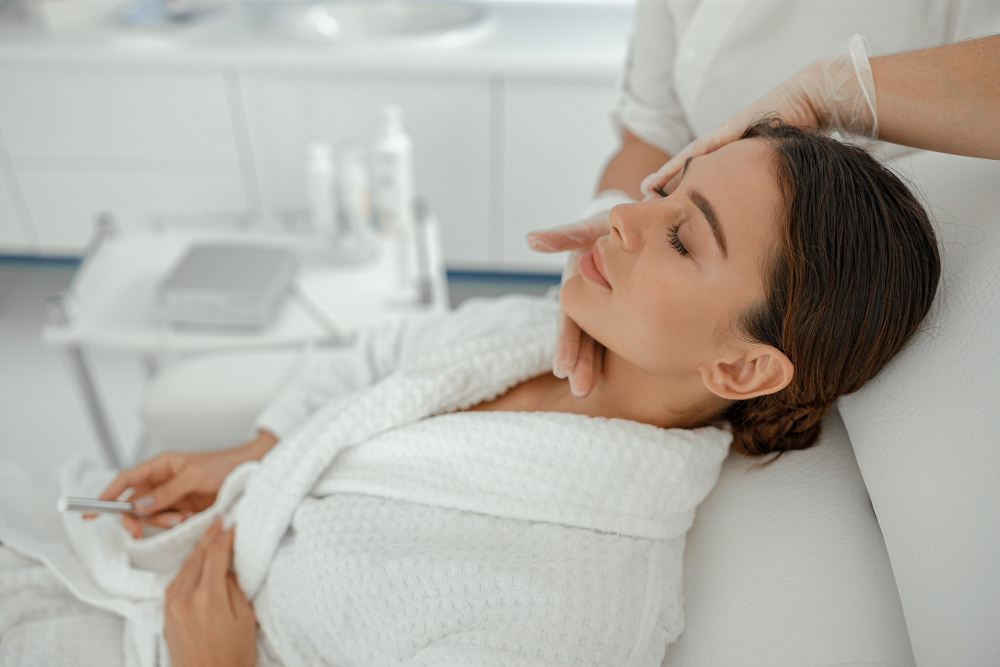
A consultation is a key first step before undergoing a chemical peel. It gives you the opportunity to discuss your skin concerns, treatment goals, and any questions you may have with a qualified skincare practitioner.
During this session, your practitioner will assess your skin type, current condition, and any relevant medical history. They’ll also look for any contraindications—such as allergies, sensitivities, recent sun exposure, or medications—that could affect your treatment.
Based on this assessment, they’ll recommend the most suitable type and strength of peel tailored to your specific needs. You’ll also receive a personalised post-treatment care plan, which includes product recommendations, sun protection advice, and any follow-up treatments to support healing and maintain results.
Trusted sources like the Australasian Academy of Dermatology highlight that proper consultation not only ensures a safer experience but also improves treatment outcomes. It’s a crucial step in achieving the best possible results with minimal risk.
Extra Tips for Best Results Post Chemical Peel
After your chemical peel, how you care for your skin is just as important as the treatment itself. Following your practitioner’s aftercare instructions will help ensure optimal healing and longer-lasting results.
Here are a few key tips:
- Keep your skin moisturised – Hydration is essential for recovery. Use a gentle, fragrance-free moisturiser to support your skin barrier and soothe any dryness or flaking.
- Avoid direct sun exposure – Your skin will be more sensitive to UV rays post-peel. Apply a broad-spectrum sunscreen daily (SPF 30 or higher), and limit time outdoors, especially during peak hours.
- Skip the makeup (for now) – Give your skin a break from heavy cosmetics for at least a few days to allow it to breathe and heal properly.
- Hands off – Resist the urge to touch, scratch, or pick at your skin. Doing so can lead to irritation, scarring, or delayed healing.
According to dermatology research, these simple steps significantly improve recovery time and help preserve the results of your chemical peel. Consistency in aftercare means smoother, clearer skin that lasts.
Conclusion
When considering chemical peels as part of your skincare routine, remember the importance of preparation—it’s the foundation for achieving beautiful results. Understanding your skin type, following personalised pre- chemical peel guidelines, and setting realistic expectations can significantly enhance your treatment outcomes, leaving your skin refreshed, radiant, and rejuvenated.
Ready to reveal your best skin yet? Take the next step towards healthier, glowing skin and book your consultation at Bryght today. Our skilled practitioners are here to tailor a chemical peel experience specifically designed for your skin’s unique needs, ensuring beautiful results without unnecessary downtime or complications.

Frequently Asked Questions
If you have sensitive skin, extra caution is important in the lead-up to a chemical peel. Always inform your skincare practitioner or dermatologist during your consultation so they can tailor the treatment accordingly.
In most cases, a patch test is recommended a few days before the procedure to rule out any adverse reactions. Leading up to your appointment:
– Avoid introducing new skincare products that may irritate your skin.
– Stick to fragrance-free, hypoallergenic moisturisers and cleansers.
– Stay well-hydrated, but limit alcohol intake, as it can dehydrate your skin.
– Use a broad-spectrum SPF daily to protect your skin from UV damage.
– Choose gentle cream-based moisturisers over gels or active-heavy formulas.
These simple steps can help reduce sensitivity and prepare your skin for a smoother, safer peel experience
Can certain lifestyle habits affect your chemical peel results?
Yes, lifestyle habits significantly influence the efficacy and safety of a chemical peel. Smoking can impair blood circulation and slow down healing, so it’s recommended to cease smoking at least a few weeks before your procedure. Sleep is another critical factor, as adequate rest aids in skin recovery and renewal. Nutrition also plays a key role—consume a diet rich in antioxidants and hydrating foods to maintain skin health and enhance recovery. Address any stress-management issues, as high stress levels can manifest on your skin, possibly complicating peel results.
What if your skin breaks out just before your scheduled chemical peel?
Experiencing a breakout shortly before your chemical peel can be concerning; however, panicking or cancelling prematurely isn’t necessary. It’s crucial to inform your practitioner who can decide whether to proceed or adjust the treatment plan. Sometimes a chemical peel can actually be beneficial, targeting blemishes effectively. In the interim, avoid squeezing or picking at lesions, as this can increase irritation or risk of infection. Reevaluate your skincare routine to identify potential culprits and maintain a gentle cleanse and moisturise routine to support your skin’s condition.
How important is post-peel care, and what should it include?
Post-peel care is crucial—it’s the difference between a glowing, refreshed result and one that’s compromised by irritation or uneven healing.
After your chemical peel, your skin will likely be red, sensitive, and start to peel or flake within a few days. This is normal—but how you care for your skin during this phase makes all the difference.
Here’s what effective post-peel care should include:
– Gentle cleanser: Skip the scrubs and stick to something mild and non-foaming.
– Hydration is everything: Use a rich, soothing moisturiser to support the healing process and reduce tightness.
– Skip the actives: Avoid retinoids, exfoliants, acids, or anything with strong ingredients for at least 5–7 days—or until your practitioner gives the green light.
– Sun protection is non-negotiable: Your skin is more vulnerable than ever to UV damage. Wear broad-spectrum SPF 30+ daily and reapply often, especially if outdoors.
– Listen to your practitioner: They may recommend specific balms, ointments, or recovery creams to ease inflammation and boost healing.
The key takeaway? Treat your skin like it’s in recovery mode—because it is. Gentle, consistent care will help reveal the smooth, radiant results you’re aiming for.
Could a pre-chemical peel facial enhance your results?
Yes—but only the right kind of facial, and with the right timing.
Getting a facial a few days before your chemical peel can help prime your skin by boosting hydration, removing surface buildup, and promoting better product penetration during the peel. Think of it as giving your skin a head start.
That said, not all facials are created equal. A gentle, non-invasive treatment—like a hydrating or enzyme facial—may be beneficial. But anything too intense (think extractions, deep exfoliation, or aggressive actives) could make your skin more sensitive and increase the risk of irritation during the peel.
The bottom line? Always check with your skincare professional before scheduling anything. They’ll advise you based on your skin type, current condition, and the specific chemical peel you’re planning. With the right guidance, a well-timed facial could be a glow-up game-changer.